Gilbert Enoka Reveals the All Blacks Figures Who Shaped a Generation
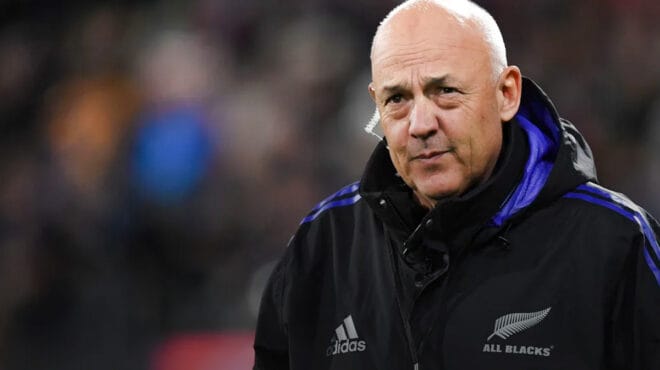
Gilbert Enoka rarely speaks in absolutes. Over more than 20 years inside the All Blacks environment, the former mental skills coach learned that certainty is usually the enemy of performance.
Which made his answer on the High Performance Podcast all the more striking.
Asked to name the best people he had ever worked with, Enoka didn’t hedge or broaden the field. He split the question in three and answered it directly — player, captain and human being — selecting three figures who, in his view, shaped the All Blacks more than anyone else during rugby’s most dominant modern era.
Dan Carter: “The best player I’ve ever worked with”
There was no hesitation when Enoka was asked about pure performance.
“Out and out, the best player I’ve ever worked with as an athlete in my life is Dan Carter.”
The choice will surprise no one, but Enoka’s reasoning had little to do with Carter’s highlight reel. He wasn’t talking about the sidesteps, the long-range penalties or the control of big matches. He was talking about what happened when nobody was watching.
Read Also: Bryan Habana: Family betrayal, the ‘sausage factory’ of sport, and life after the Springboks
Read Also:Pat Lam on the All Blacks: Why New Zealand Rugby Needs a Reality Check
Carter’s defining trait, Enoka explained, was consistency. Day after day, session after session, he prepared with the same intensity whether he was chasing selection or starting a World Cup final. Talent was a given. What separated him was how relentlessly he protected his standards.
Inside the All Blacks, that mattered. Carter didn’t just perform at the highest level — he quietly forced everyone around him to lift.
Richie McCaw: “The best captain I’ve experienced”
If Carter set the bar, Richie McCaw made sure the group lived up to it.
“Out and out, the best captain I’ve ever experienced in my life has been Richie McCaw.”
Enoka worked with countless leaders across different sports, but McCaw stood apart for one reason: he made leadership look ordinary. There were no theatrics. No speeches for the cameras. Just decisions made under pressure, often when the game — and the body — were at breaking point.
Read Also:New Rugby Law Explained: World Rugby Trials Lower Tackle Height
McCaw’s influence was felt most when things were hardest. Tight matches. Final quarters. Moments when fatigue blurred judgement. He absorbed pressure, simplified chaos and kept the team moving forward.
Opponents felt it too. McCaw’s presence didn’t just reassure teammates — it unsettled the other side.
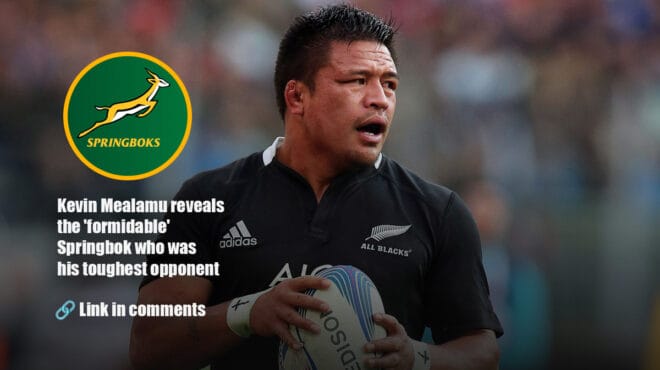
Keven Mealamu: “The best human being”
The most revealing answer came last.
When asked about the best human being he had worked with, Enoka didn’t reach for a superstar. He went to the heart of the squad.
“Out and out, the best human being from a team culture, humility person — Keven Mealamu. Just a wonderful human being.”
Mealamu played 132 Tests for New Zealand, but Enoka was less interested in his durability than his impact away from the field. Players like Mealamu, he said, are the glue of successful teams.
High performance, Enoka argued, isn’t built solely in meetings or training sessions. It’s shaped in the margins — standing in line for food, sharing a beer, talking after a match when the kit is off and the guard is down.
Those moments decide whether teams fracture or strengthen under pressure. Mealamu excelled in them. He created trust, connection and a sense of belonging that carried onto the field.
A Different Measure of Greatness
Taken together, Enoka’s answers offered a rare insight into how the All Blacks viewed success at their peak.
Carter embodied excellence.
McCaw enforced it.
Mealamu sustained it.
For Enoka, greatness was never about one dimension. The best teams, he suggested, are built when performance, leadership and humanity coexist — not occasionally, but every day.
And in that sense, his three choices were less a ranking than a reflection of how dynasties are really formed.