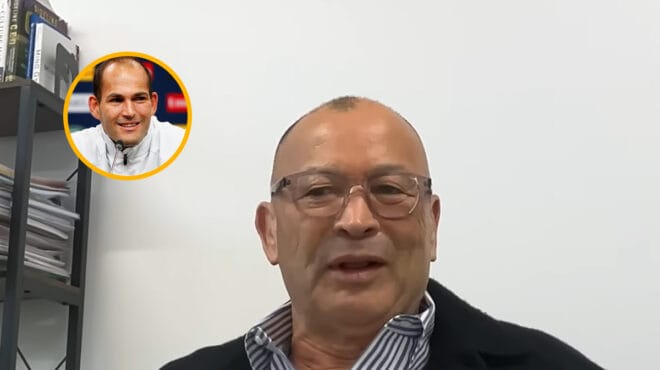
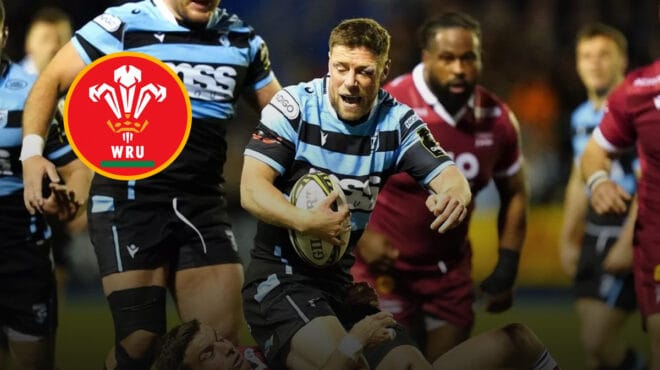
Rugby switching nations has become one of the biggest developments in the modern game, with several high-profile players now eligible to change teams before Rugby World Cup 2027.
Rugby Switching Nations: How the Rule Works
World Rugby’s Regulation 8 was relaxed in 2021, allowing players to switch nations once after a three-year stand-down from Test rugby. They must also qualify through:
- Birth,
- Parent or grandparent, or
- Five-year residency at the time of their request.
Since the rule came in, Charles Piutau, George Moala, Malakai Fekitoa, Israel Folau and Jean Kleyn have already taken advantage. The next wave may arrive in time for Rugby World Cup 2027.
For many unions, particularly in the Pacific, these decisions could be transformative. For others, it creates selection pressure and political tension. Here is the full picture of players who could make the move.
Players Already Eligible to Switch Nations
(Three-year stand-down complete)
Hoskins Sotutu – New Zealand → England or Fiji

The Blues No.8 hasn’t featured for the All Blacks since 2022 and has slipped out of favour under Scott Robertson. He is now free to move immediately.
Sotutu qualifies for England through his mother and could also represent Fiji, where his father Waisale made his name. Both unions have monitored his situation.
Akira Ioane – New Zealand → Samoa

Ioane’s last All Blacks appearance came in 2022, and the 30-year-old has not been involved under Robertson. He qualifies for Samoa through his father Eddie, a former Manu international. The option is open and increasingly discussed in New Zealand rugby circles.
Shannon Frizell – New Zealand → Tonga (eligible October 2025)
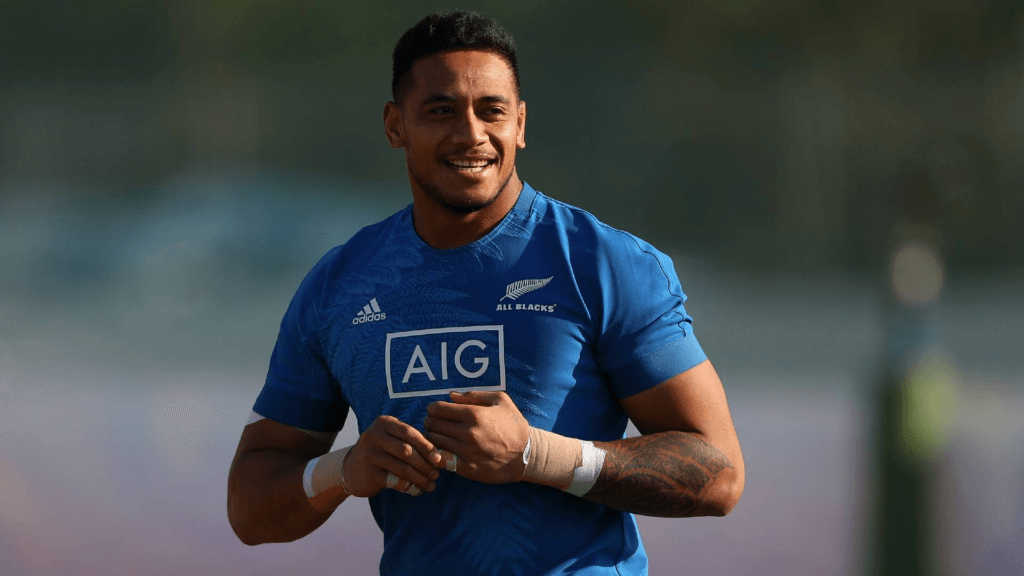
Born in Tonga, Frizell last played for the All Blacks at the 2023 World Cup. He meets the stand-down requirement next October and would offer Tonga a world-class blindside option heading into 2027.
Folau Fakatava – New Zealand → Tonga

The Highlanders scrum-half last played for New Zealand in 2022. His most recent outings were for the All Blacks XV — a non-capturing side — meaning he is free to switch to his country of birth.
Ngani Laumape – New Zealand → Tonga
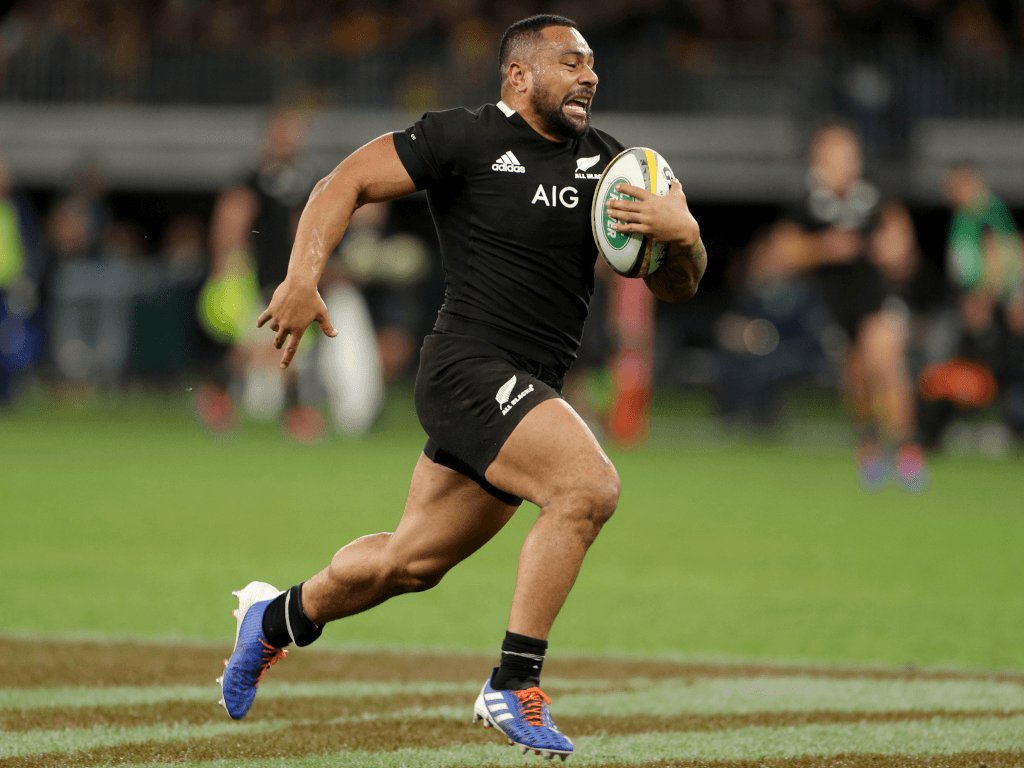
Laumape has been eligible since 2024 after missing Tonga’s World Cup squad due to timing. He has openly expressed interest in representing Tonga, calling it “a great opportunity to represent my parents’ country.”
Players Eligible Before or During 2026–27
Manu Tuilagi – England → Samoa (eligible 2027)
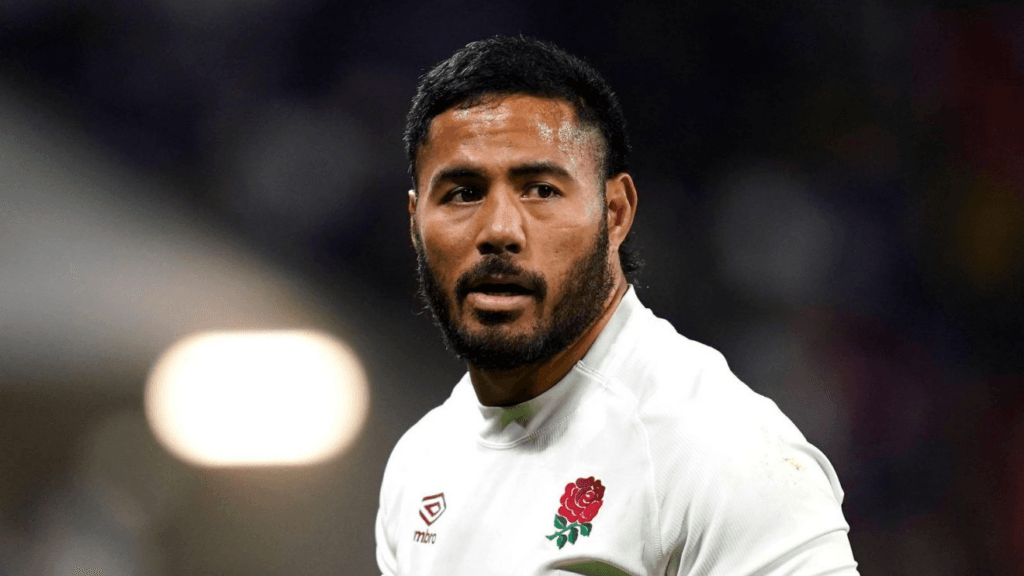
The England centre last played in the 2024 Six Nations and would only meet the three-year stand-down period in the year of the tournament. Tuilagi has not ruled out the move but acknowledges he will be 36 in 2027 and must still be performing at Test level.
Nepo Laulala – New Zealand → Samoa (eligible November 2026)

The tight-head last played for the All Blacks at the 2023 World Cup. Born in Samoa, Laulala would add significant power to the Manu pack should he decide to switch.
David Ribbans – England → South Africa (eligible autumn 2025)

Ribbans last played for England at the 2023 World Cup. Born in Paarl, he qualifies for the Springboks but has been careful not to frame a switch as opportunistic. He has stated publicly that his preference remains England selection if possible.
Tyrone Green – South Africa → England (eligible 2026)

Green played for South Africa U20s but has carved out his career at Harlequins. He qualifies through residency and has said he will consider the decision once he reaches eligibility, prioritising his club rugby for now.
Lalakai Foketi – Australia → New Zealand (eligible 2026)

Foketi, who last represented Australia at the 2023 World Cup, has stated he will not play for the Wallabies again after launching legal action over his terminated contract. The Waratahs centre was born in New Zealand and could switch in 2026.
Special Cases & Residency Pathways
Benhard Janse van Rensburg – South Africa → England

The Bristol centre represented South Africa U20s at a time when it was an “capturing” side under the previous rules. He has since severed his ties with SA Rugby through World Rugby and will complete five-year residency in 2027. A switch to England is possible pending formal approval.
Dan Kelly – England → Ireland
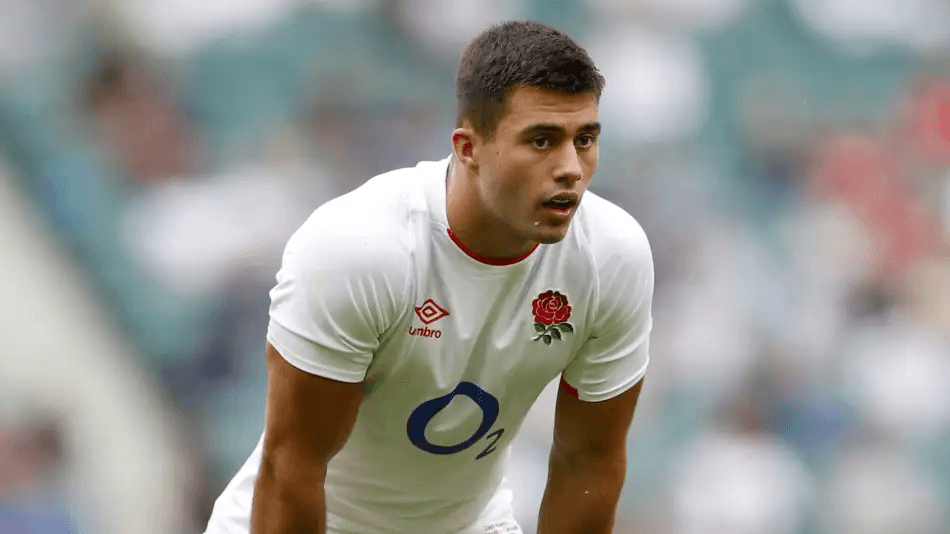
Kelly played for Ireland U20s but made his England debut in 2021. He qualifies for Ireland through his grandparents and has already featured for Ireland A. He could switch if Andy Farrell selects him once his stand-down period expires.
Rhyno Smith – South Africa → Italy (requires exemption)

Smith represented the Blitzboks in two tournaments in 2018, which technically ties him to South Africa. However, World Rugby may consider his case under exceptional circumstances as he has:
- lived in Italy since 2021,
- not played sevens since 2018, and
- minimal involvement with the Springbok programme.
He has confirmed discussions with the Italian union and is open to the move.
George Bridge – New Zealand → Ireland (eligible in 2026 via residency)

Former All Blacks wing George Bridge has rebuilt his career in Ireland after joining Munster in 2023. The move places him on track to complete his three-year residency period in 2026, making him eligible for Ireland ahead of Rugby World Cup 2027.
Ireland have not indicated any selection interest yet, but Bridge’s form in the URC and Champions Cup has been strong, and his pathway is clear under World Rugby’s residency rules. While competition for back-three places is fierce, his experience at Test level means he cannot be discounted as an option for Andy Farrell in the next cycle.
Julian Savea – New Zealand → Samoa (eligible now)

Julian Savea remains one of the most recognisable wings of the professional era, and his Test career with New Zealand finished back in 2017. With more than seven years since his final All Blacks appearance, the 34-year-old is fully eligible to represent Samoa through his parents.
Savea has never publicly ruled out the possibility, and his recent spell with Moana Pasifika has kept the conversation alive inside New Zealand rugby circles. If Samoa are looking to add experience and strike power before 2027, Savea is among the most realistic senior options available under the current eligibility laws.
What These Switches Mean for 2027
The Pacific Island nations stand to gain the most — especially Tonga and Samoa, who could receive up to seven Test-experienced forwards and backs across this list.
England and Ireland may also enter 2027 with bolstered midfield options, while New Zealand could regain depth if Foketi returns to the jersey he grew up with.
South Africa’s situation is more nuanced: Ribbans fits their physical profile, but his intentions remain unclear, and the Springboks rarely fast-track returning players without strong domestic form.
The eligibility rule continues to divide opinion, but one truth is clear:
rugby switching nations is now a central part of squad strategy, talent development and World Cup preparation.
The 2027 tournament will reflect a more fluid, global player market — and several unions stand to look very different in Sydney.