England Rugby EPS Contracts Explained: How Much Players Earn and What the RFU Really Controls
England rugby EPS contracts are the least understood money in English rugby. Fans see the squad announcements — who got an “enhanced” deal, who missed out — but almost nobody explains what those contracts actually pay, what clubs receive in return, and what they quietly sign away.
Sale Sharks co-owner Michelle Orange just did, in an August 2026 interview on the For the Love of Rugby podcast. As the owner of a club supplying a large chunk of England’s squad, she sits on the receiving end of the system — the cheques and the control. Here’s the full picture, from someone who sees both.
What Is the EPS?
The Elite Player Squad (EPS) is the group of players contracted to England under the Professional Game Partnership (PGP) — the £264 million, eight-year agreement between the RFU and the Premiership clubs that governs how international players are shared, managed and paid.
As Orange describes it, the squad splits into two tiers:
- Enhanced EPS — the top tier. These players receive a guaranteed fixed amount from the RFU on top of their club wages, for the full length of the contract. No match fees — the money is locked in whether they play or not.
- Standard EPS — the second tier. No guaranteed sum, but players earn touring fees, training camp fees and match fees every time they’re involved.
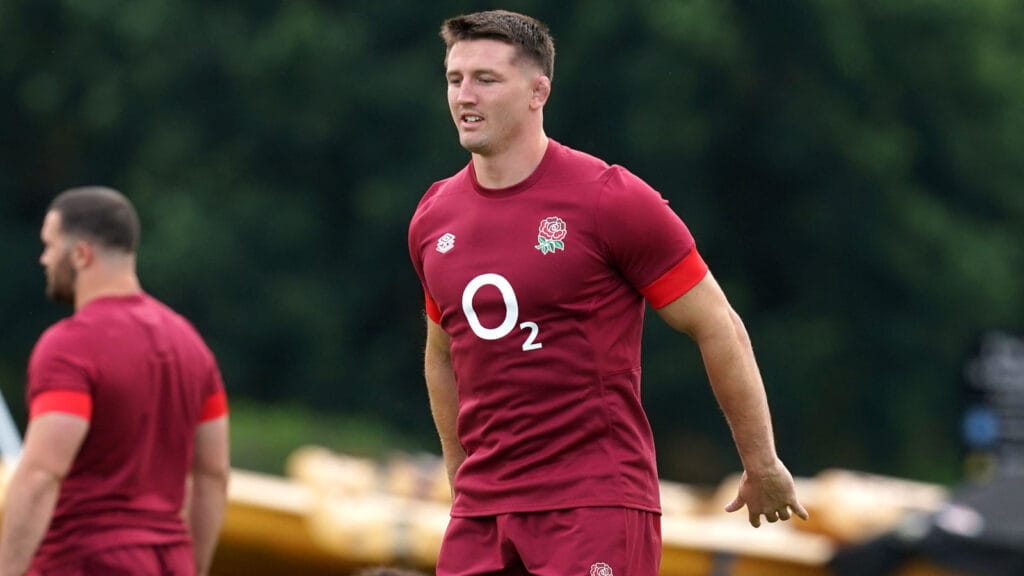
The security difference matters enormously. Orange’s example: Tom Curry. Injured for large parts of the season, he still received his full enhanced EPS money — “in spite of him, bless him, being injured, he will still have got that money from the RFU for being part of team England, on top of his club wages.”
How Much Do England Rugby Players Earn From the EPS?
Orange didn’t publish a salary table — but she gave the formula, and it’s more revealing than any leaked figure.
For standard EPS players, England money is a top-up on their club salary — and a big one:
“In some cases it can add a whole extra 25% onto their earning potential. In some cases it might even be as much as 50%. It depends on your position, your age, your experience.”
So a Premiership player on £250,000 a year could be earning £60,000–£125,000 more through England fees alone. For enhanced EPS players, the guaranteed RFU sum stacks on top of club wages regardless of selection or injury — “that’s a lot of zeros,” as the podcast hosts put it. The first enhanced deals were awarded to 17 players in 2024, with the squad structure Orange describes covering around 50 players across both tiers.
What Clubs Get Paid: The £3.5 Million Question
Here’s the side of England rugby EPS contracts nobody writes about: the clubs are paid too.
According to Orange, Sale receive around £3.5 million a year from the RFU for their EPS players — part of the roughly £10 million per club that flows annually through the Professional Game Partnership. On top of that sits the academy licence and a credit system: produce academy players who go on to sign EPS deals, and more RFU money follows.
That creates a genuine business case for developing England players, and Orange is open about the two benefits:
- The money — no EPS players, no £3.5 million.
- The profile — when Sale bought the club in 2016 they had no international players. Now, with a large share of England’s squad, neutral England fans in the North West buy tickets “because basically I’ve got half the England squad playing there.”
Why Sale Sharks lose £8m a year — the full finances breakdown
What Clubs Give Up: The Control Problem
Now the trade-off — and this is where Orange’s honesty gets interesting. When asked whether the arrangement helps or hinders, she laughed before answering: “Is the Professional Game Partnership of course it is, because we get money from the RFU for it.”
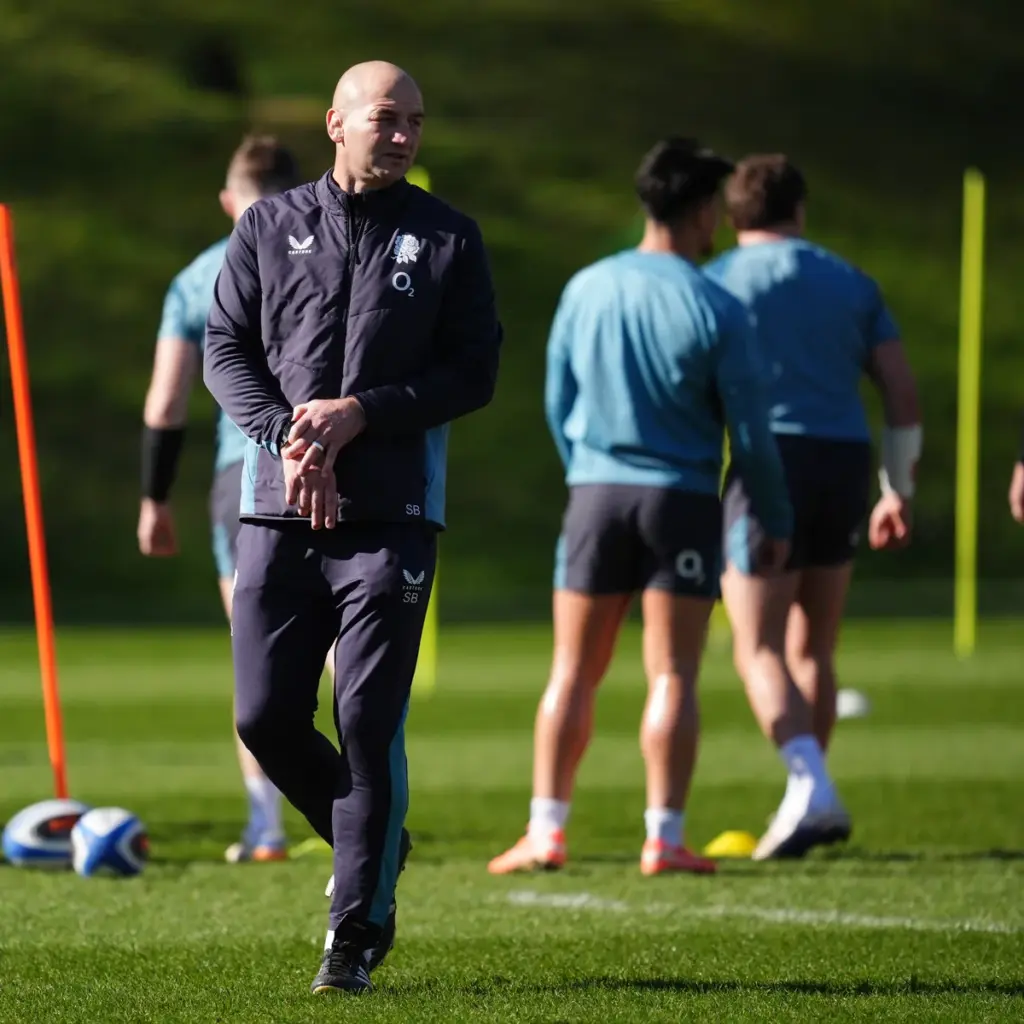
Then came the list of what England — “Mr Borthwick and probably more his medical team and his S&C” — actually controls:
- Full access to the club’s training plans for EPS players
- Power to dictate training loads and enforced rest weeks
- Surgery timing — if a player picks up a mid-season injury, England can require an operation now, even if he could play on and have surgery in the off-season. The club loses him for its season; England gets him fit for the summer tour.
“It’s a bit quid pro quo,” Orange concedes. “It works… maybe.”
The Tom Curry Case: When Club and Country Collide
Orange’s worked example should be studied by anyone who thinks player welfare rows are abstract. Curry’s recent calendar, as she tells it: Premiership semi-final → straight into Lions camp → Lions tour → the mandatory five-week rest → back to Sale at the end of preseason — the eight-to-ten week block that actually builds a player’s body for the season — and then straight into matches.
The result: a player who never properly reconditioned, managing injuries all year. Orange contrasts him with Maro Itoje, who was given the full summer off in 2026: “It’s great he’s been given a rest… I think Tom Curry would have really benefited from having a summer off — come and do preseason with Sale Sharks rather than England.”
Her next move is very Michelle Orange: she’s attending a match as Bill Sweeney’s guest soon and plans to “chew his ear off over lunch.” From a “mummy shark point of view,” as she puts it, there’s also a wedding this summer — Tom and Ben Curry’s sister’s — that she sincerely hopes England duty doesn’t claim.
Why This System Decides the 2027 World Cup
Pull the threads together and the stakes are obvious. England’s medical staff now manage club players’ bodies year-round with one target in mind: peak fitness for the 2027 Rugby World Cup in Australia. The Itoje rest, the surgery-timing powers, the preseason tug-of-war — all of it is squad management on a two-year horizon.
For clubs, that means seasons like Sale’s 2024/25, when — as Orange noted — most of their most expensive players were injured all season while the club still paid the second or third highest salary bill in the league. The EPS cheque softens that blow. It doesn’t eliminate it.
For fans, it means understanding that when your club’s England star misses October, it may not be your director of rugby’s decision at all.
Read Also “How the women’s game compares: the PWR’s £265,000 salary cap explained“
Watch the full Michelle Orange interview on the For the Love of Rugby podcast:
FAQ
What is an enhanced EPS contract?
An enhanced Elite Player Squad contract gives a top England player a guaranteed fixed payment from the RFU on top of his club salary, for the duration of the deal. Unlike standard EPS players, enhanced players don’t receive match fees — the money is guaranteed even through injury.
How much do England rugby players earn from EPS contracts?
Standard EPS players earn touring, training and match fees that can add 25–50% to their club salary, depending on position, age and experience, according to Sale Sharks co-owner Michelle Orange. Enhanced EPS players receive a guaranteed RFU payment on top of club wages.
How much do clubs get paid for England players?
Around £3.5 million per year for EPS players, as part of roughly £10 million per club flowing through the Professional Game Partnership, which also funds academy licences and pays credits for producing England-qualified talent.
What control does the RFU have over Premiership players?
For EPS players, England’s coaching, medical and S&C staff have full access to club training plans, can dictate loading and rest, and can require surgery on their preferred timeline — even mid-season, at the club’s competitive expense.
What is the Professional Game Partnership?
An eight-year, £264 million agreement between the RFU and the Premiership clubs covering player release, EPS contracts, academy funding and shared management of England internationals. It came into force in 2024.