


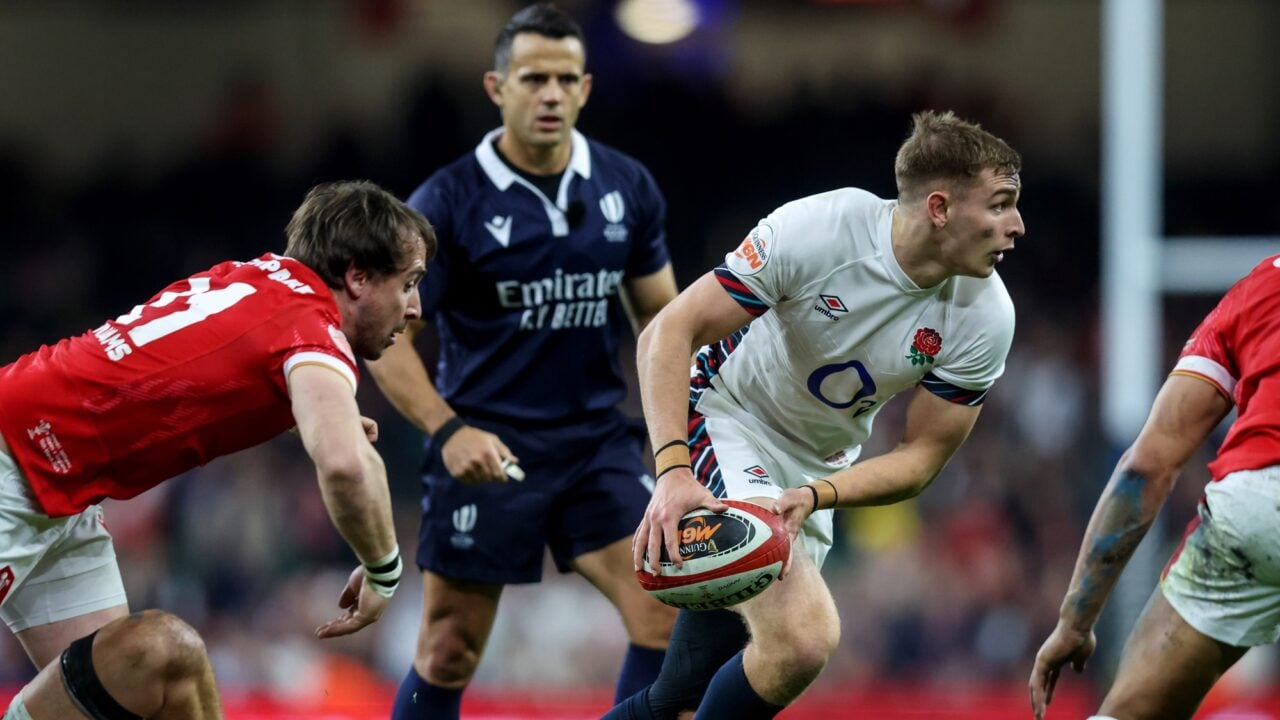
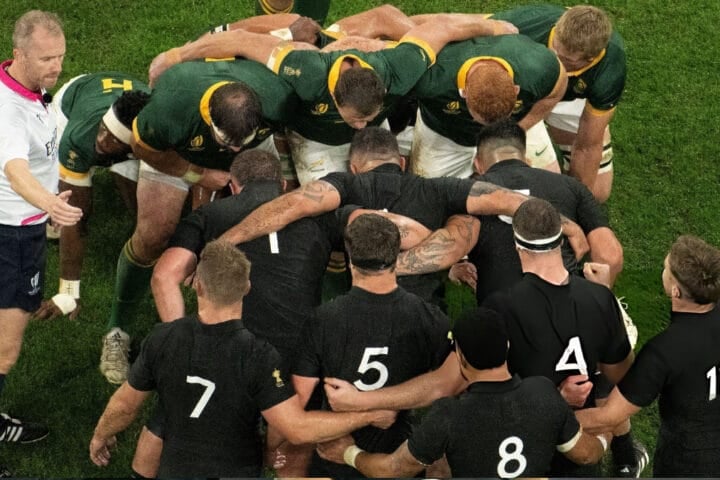
Nigel Owens says Jack van Poortvliet’s dive over the ruck against the All Blacks was a legal try. It all comes down to one test: was the dive dangerous?
The former Test referee was asked about the 32nd-minute score in England’s 37–12 win at Twickenham on World Rugby’s Whistle Watch. Fans have seen tries like it given and chalked off. Owens’s answer starts with the winger who dives in the corner.
England and New Zealand meet again in Saturday’s third-place play-off. Should diving over the ruck be allowed at all? Tell us in the comments.

READ MORE: England v New Zealand: team news, stats and the kicking duel
‘We allow the winger to dive in the corner’
Owens says the law allows the dive for the sake of consistency.
“People were asking, well, why are we allowing players to dive over a ruck?” he said. “And the answer was, well, we allow the winger to dive in the corner. So how can we then, to be consistent, say that a flanker, or whoever he is, cannot dive underneath the posts to score a try…”
When does a dive over the ruck get chalked off?
The key, Owens said, is whether the action is dangerous. A dive that makes contact with players in the ruck is foul play. So is landing on players on the far side.

“You’re diving on a player that’s on the ground and that would be deemed to be dangerous,” he said. “That’s when you see these types of dives chalked off.”
It does not take much. “If your leg brushes somebody as you’re going up, that would be deemed to be dangerous,” Owens said.
Why van Poortvliet’s try passed the test
Van Poortvliet cleared everyone.
“He doesn’t make contact with anybody in the ruck,” Owens said. “When he lands the other side, he’s not landing on anybody, or on anybody’s limbs or anything. So it’s not deemed to be dangerous, and the try then quite correctly stands.”
The host called it “a fair dive”. Owens agreed: “Good try. Yeah, good try.”
READ MORE: England player ratings v New Zealand
What it means for Saturday’s rematch
The first meeting was New Zealand’s heaviest ever defeat by England. If England find the same gap on Saturday, the test is the same: no contact going up, nobody landed on coming down.
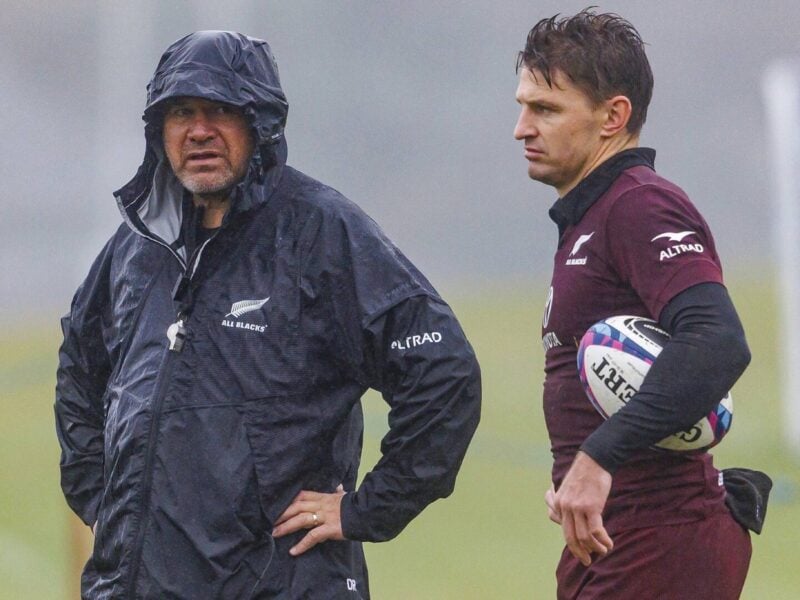
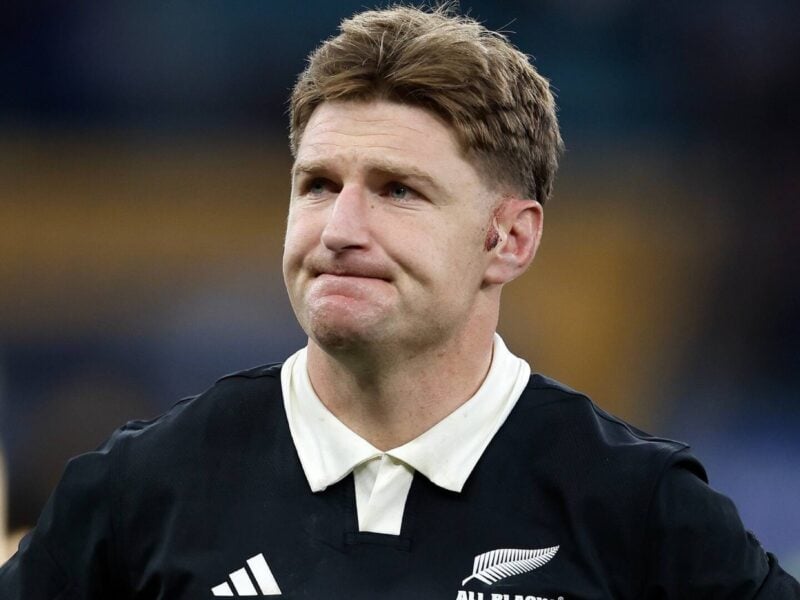
England were “simply too good”, as Beauden Barrett admitted after the 37–12 loss. Owens also explained why there was no penalty when Tupou Vaa’i went off for a head injury assessment in the same game.



Comments
No one has weighed in yet.
Be the first - what did you make of it?