


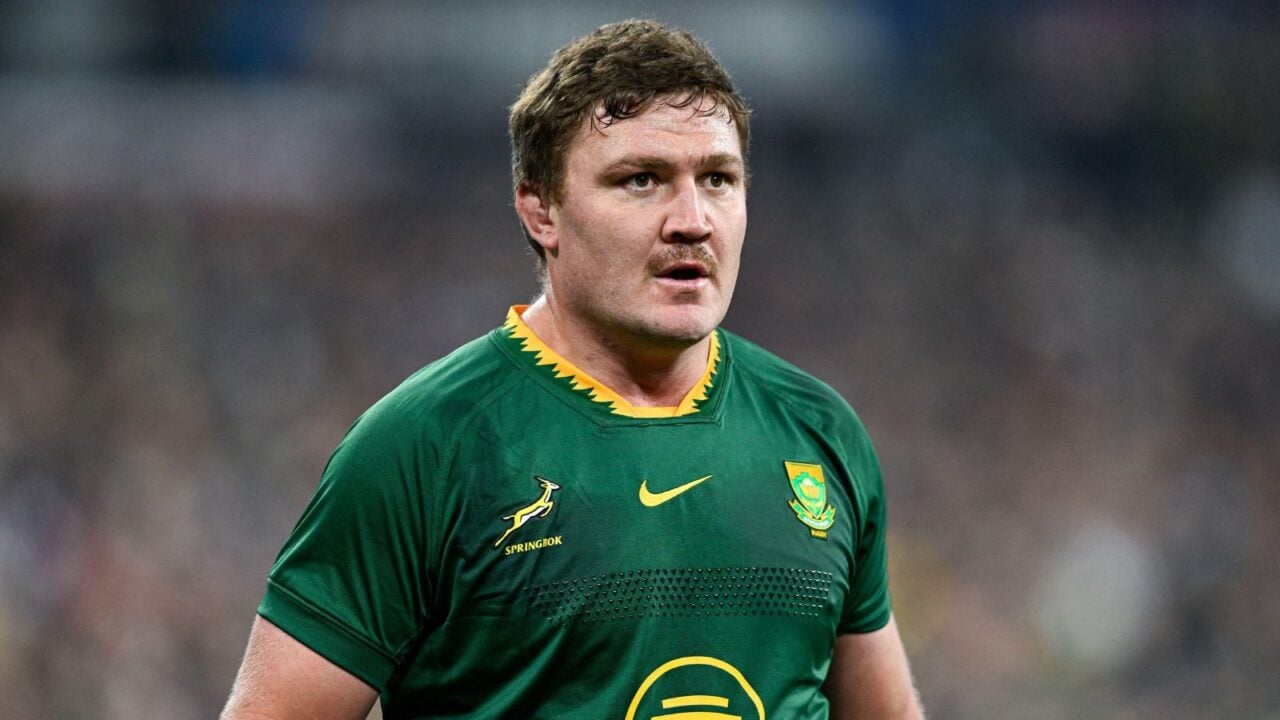
Nigel Owens says the Jasper Wiese red card against France was the right call. He also backs two more big decisions from the Springboks’ 21-19 defeat in Paris.
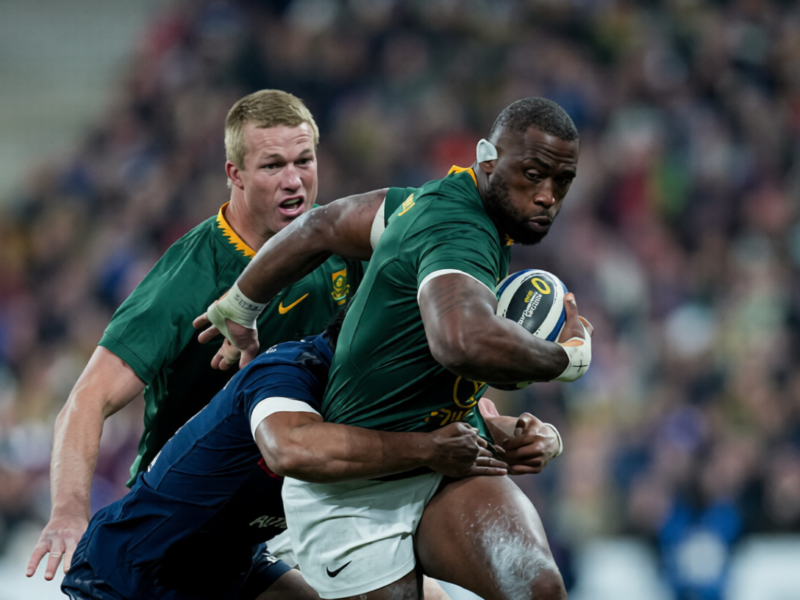
Wiese was shown yellow for a clear-out on 43 minutes, and the card became a 20-minute red. On World Rugby’s Whistle Watch show, the former Test referee said it “was correctly upgraded” because Wiese came in with his arm tucked and hit the head.
“If you come in tucked and you make contact with somebody’s head, you’re going to be in trouble,” Owens said.
Was Wiese’s red card fair, or is rugby punishing speed at the breakdown? Tell us in the comments.

Why Owens says the Jasper Wiese red card was right
Owens walked through the order the officials work in. First, was there head contact? Then, was it foul play? Only then do they look at what kind of foul play it was.
He said head contact alone is not enough, but here the answer to both questions was yes. The problem was the arm. “If your arm is down by your side, it means you’re going in to get underneath him to lift him off, not going in tucked in,” he said.
Owens accepted that clearing players hit rucks hard for a reason. If they arrive slowly, the ball is lost. “But even when you’re going at speed, you’ve got to be sure that your actions are legal,” he said.
His verdict was that the yellow card “was correctly upgraded to the 20-minute red card”.
Owens has a warning for every player at the breakdown
Owens said the duty does not end with technique. A player arriving at speed still has to see the man on the ground and adjust.

“If I go flying in here, I am risking hitting his head,” he said, putting himself in the player’s shoes. He told players to readjust if they see the head, adding: “I appreciate that’s difficult, but you run the risk of a 20-minute red card, which happened here.”
The red card has cost Wiese more than 20 minutes. He was banned for four matches and misses today’s game against Ireland in Dublin. The Springboks still won the second half 12-0, and lost by two points.
Kurt-Lee Arendse “was never onside”
The other big call came just before half-time. Kurt-Lee Arendse went over under the posts from a lineout move, but the TMO ruled the try out.
Owens said Arendse started too close to the lineout. Any player who is not part of the lineout has to start 10 metres back. If the throw is planned to go over the lineout, players can go once it leaves the hooker’s hands. But they still have to start 10 metres back.
“You started about seven, eight metres away, so you were never onside,” Owens said. “So try correctly disallowed.”
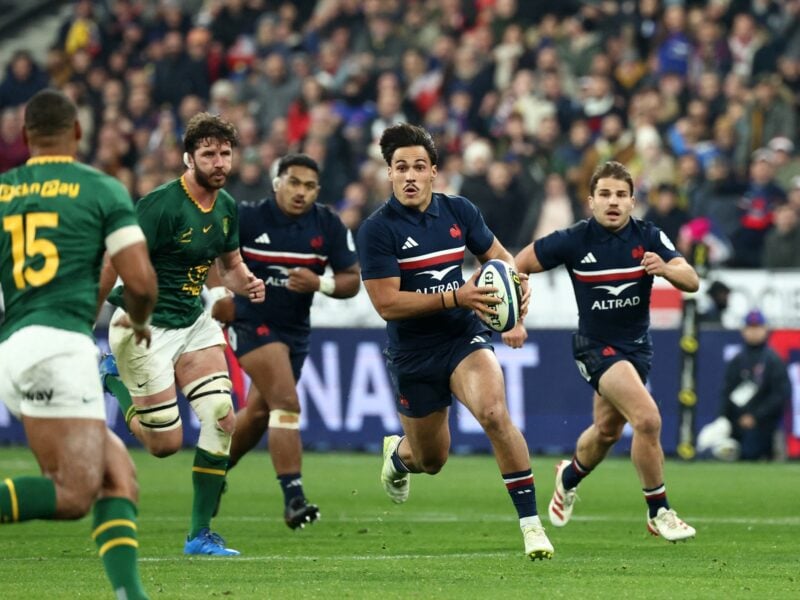
France led 21-7 at the break. Former Wallabies coach Ewen McKenzie has already said the Springboks got away with the same lineout move twice earlier in the game.
France’s header try was legal, says Owens
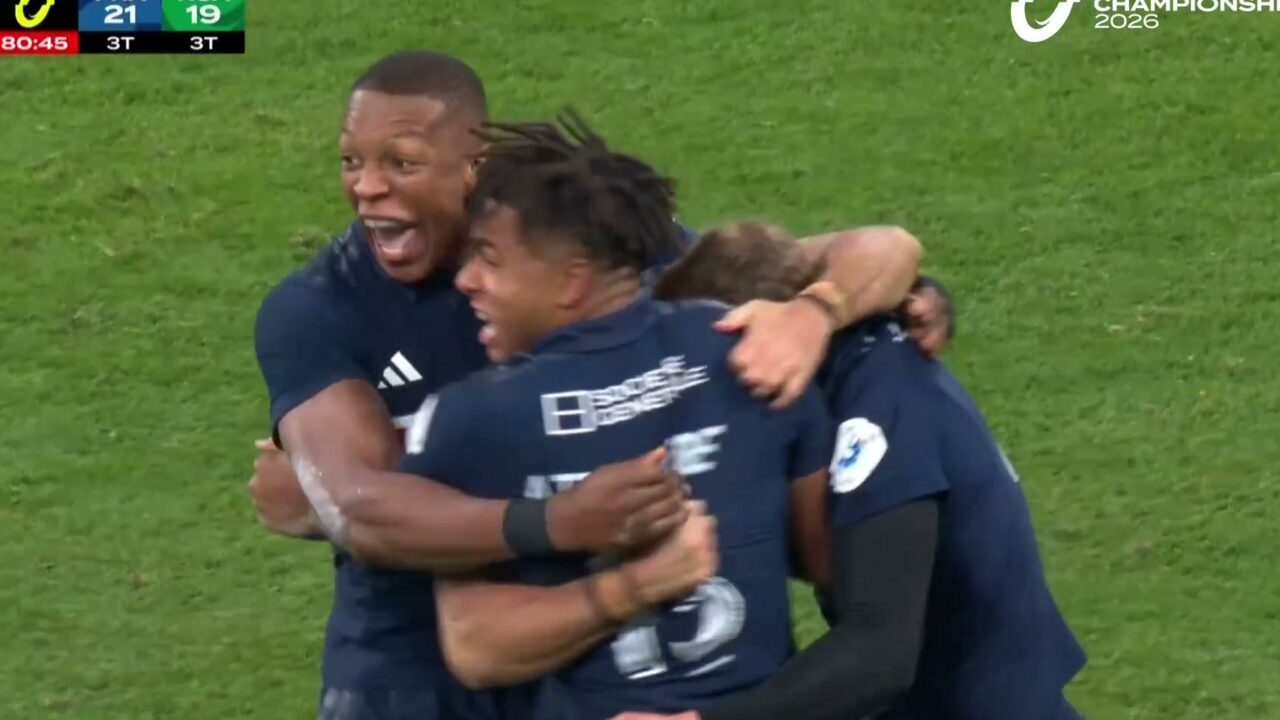
The try that went the other way came off a Springbok’s head. A pass hit a team-mate in the head, everyone stopped, and France reacted first to score.
Owens said that is not a knock-on, because the ball came off a head and did not go forward. “Try is correctly awarded, because no offence has taken place,” he said.
He drew a line between that and a player choosing to head the ball. “I don’t like a deliberate header. We’re not playing soccer,” he said. “I don’t think it should be in the game.”
Springboks face Ireland today without Wiese
Owens backs all three calls that went against South Africa in Paris. The Springboks face Ireland without Wiese in Dublin later today, with kick-off at 4.40pm GMT (6.40pm in South Africa).
“If you’ve seen the player’s head down there, don’t aim for that,” Owens warned. Should Wiese have been banned for four games? Have your say below.
READ MORE: Malcolm Marx fist clip with Antoine Dupont sparks ban calls

Comments
No one has weighed in yet.
Be the first - what did you make of it?