

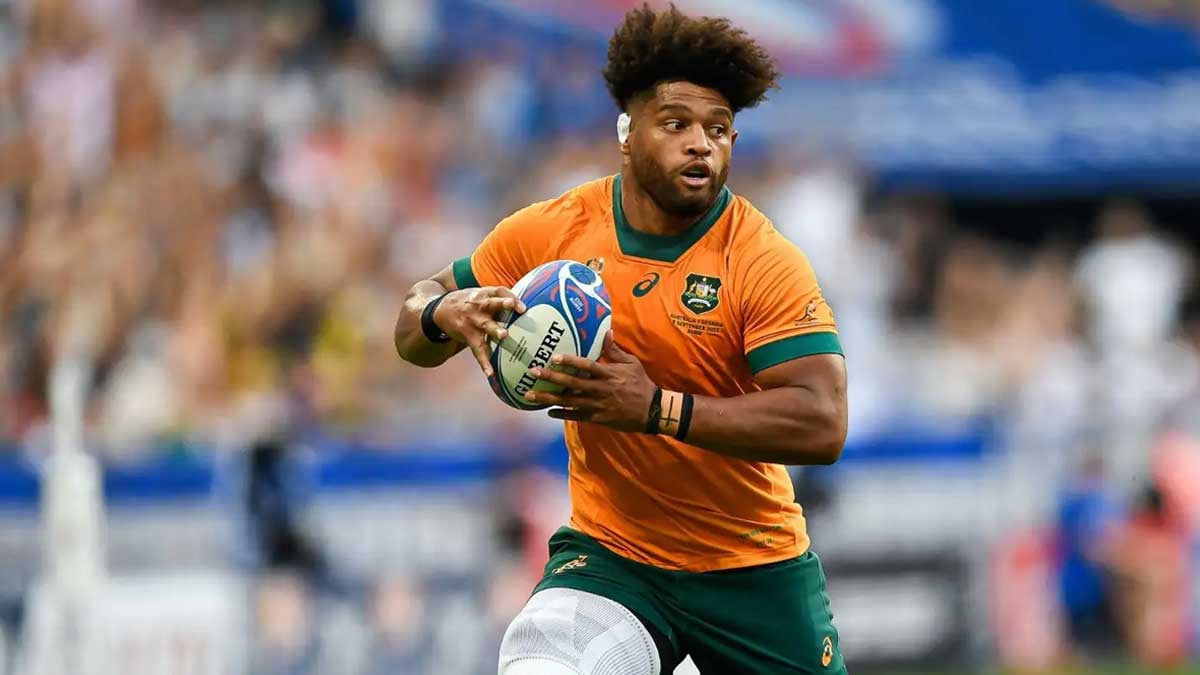
Wallabies back row selection is usually a question of who is fit. For Mendoza it is a question of who is best, and that is new. Les Kiss rested his captain, picked a back row that won him a Test in Jujuy, and has promised changes to the forwards. Three former Wallabies explained the logic he will use.
Harry Wilson is coming back, and somebody good has to sit down.
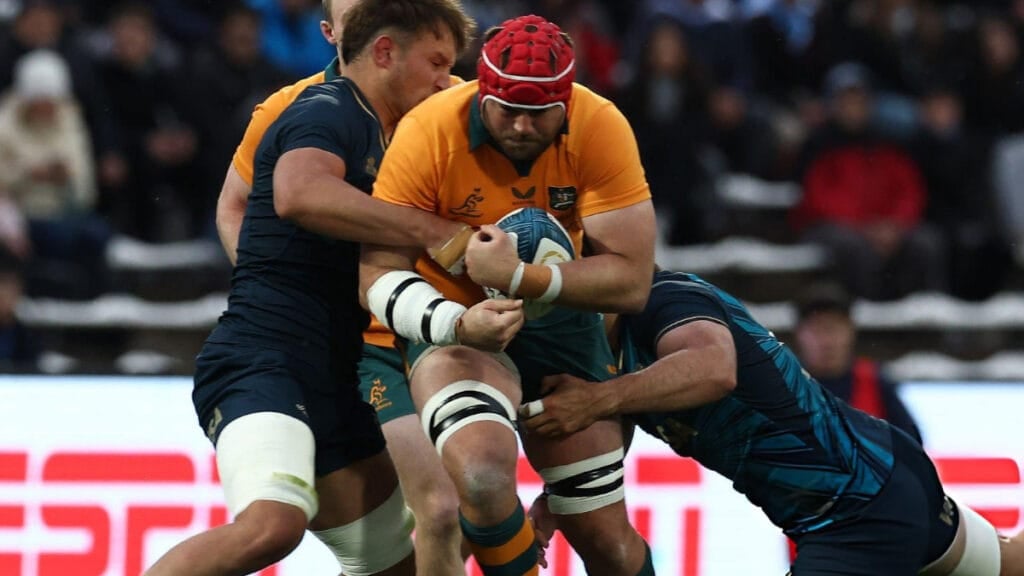
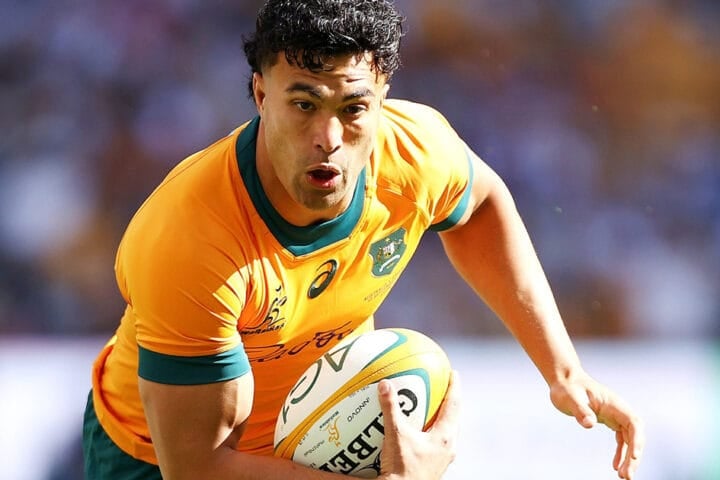
That is the call Kiss faces for the Wallabies’ second Test in Mendoza on Saturday, and it is a better problem than a Wallabies coach has had here in years. In Jujuy, with the team Kiss sent out without his captain, Tom Hooper started at six, Fraser McReight at seven and Rob Valetini at eight. McReight was man of the match with a try and 13 tackles. Valetini carried 19 times, the most of anyone on the pitch by AP’s count. Hooper scored the try that settled it in the 55th minute. Charlie Cale came off the bench and stole an Argentine lineout with the match still live.
Kiss’s verdict afterwards: “In terms of some selections next week, yeah, I think we will. It’s a big challenge here in Argentina and there’s a lot of work to be done in the forward pack. So we’re going to have to make some changes there for sure. Just make the smart ones.”
Wilson at eight is the first of them. The question is what it costs. Pick your three now, below. Thursday’s team sheet will tell you if you were right.
“The strongest it’s been in many, many years”
Adam Ashley-Cooper, Matt Giteau and Drew Mitchell have 295 Tests for Australia between them, and on Monday’s episode the three of them agreed on the premise before they disagreed on anything else. The line came from the panel without a dissenting voice: “Our back row is the strongest it’s been in many, many years.”
What followed was a description of how a Test back row is actually assembled, and it turns on a word most supporters hear every week and nobody defines.
“I think Tom Hooper probably provides more as a starting player than off the bench in terms of impact. The way he plays, he just gets through lots of work rate, hitting rucks, all that, rather than having someone like a Valetini or a Cale, a bit more explosive, coming off the bench. Like, in terms of profiling of players.”
Profiling. Not who is best, but what each man is for.
The distinction is a real one. A starter in the back row wins the first fifty minutes at the breakdown, and he does it by being at the ruck before the ball arrives, every time, unglamorously. A finisher comes on at fifty-five against forwards who have been doing that for an hour and hits them with something they cannot match any more. Those are two different jobs, and a coach who fills both with the same type of player has wasted one of them.
The panel put it more bluntly than that. “There is a screw loose,” one of them said, “which is what you need. And you need those loose screws starting a game.”
The lineout is the constraint nobody talks about
The panel then said the thing that separates a forwards coach from a fan with a whiteboard.
A back row is not picked as three loose forwards. It is picked as the other half of a lineout. Who jumps at the tail. Who lifts. Who gives the caller a second pod, so the opposition cannot load one jumper and shut the throw down. Australia stole four Argentine lineouts in Jujuy, and Charlie Cale’s in the 79th minute is why the last Argentine attack never got going.
The panel made the link explicit. Discussing the set piece, they noted that Hooper is “another lineout option, probably more so than Valetini and Harry”, and that the back-row pick has to account for it. It is the reason a Hooper-McReight-Wilson back row is not the same unit as a Valetini-McReight-Wilson one, even if the three men in each are of comparable quality. On the panel’s count, one has three lineout options and the other has two.

Picking to the opposition, and what it costs
Then the panel got to what depth actually costs.
“I think he’s building depth to be in a position to then pick a team based also on the opposition you’re coming up against. If you need a bit more of a combative, bigger pack, you might go one way or the other.”
And then the cost, stated without hedging: “That kind of goes away from cohesion. But if you’ve got different types of players that play a different style, it could suit different opposition.”
That is the real tension in Kiss’s selection, and it is not going away with Wilson’s return. Every time he picks a back row for the opponent in front of him, he pays in combinations that have not played together. Every time he picks for cohesion, he plays a pack that may be the wrong shape for the day. Argentina in Mendoza, having spent the week, by Argentine accounts, on urgency, will be a faster, looser opponent than Jujuy. That argues for the work-rate starter and the explosive bench, which is the shape the Wallabies already used in Jujuy.
The counter-example is a Springboks bench that has stopped winning the last quarter: profiling is only a plan while the profiles deliver.
Wallabies back row selection for Mendoza: Valetini is the 20
On the evidence of Jujuy the right back row for Mendoza, if all five are fit, is Hooper at six, McReight at seven and Wilson at eight, with Valetini as the 20.
That will read as heresy to anyone who watched Valetini carry 19 times, and it is no verdict on him. Follow the profiling argument to the end: Valetini’s explosiveness against a tired Argentine pack in the last 25 minutes is worth more than the same explosiveness spread across 80, Hooper gives the lineout the third option the panel described, and Wilson at eight restores the captain without breaking the unit that just worked. Cale, five caps and a 79th-minute steal on his record, is the one who misses out, which is what five men for four shirts costs.
The problem is that Kiss may not get to make that call. AAP reported on Tuesday that Hooper was likely to miss Mendoza, along with Tate McDermott, with Carter Gordon an injury doubt. If that holds, the decision makes itself: Valetini to six, Wilson at eight, Cale on the bench, and the starter-finisher shape the panel described is lost before the team sheet is written.
That would be a pity for reasons beyond Saturday. Exeter released Hooper for Argentina and not for the Bledisloe, so this was the window to build the combination, and Australia have two Bledisloe Tests in October that will need a back row already sure of itself. Depth only means something once a coach has left a good player out on purpose and lived with it. An injury that makes the call for him takes that away too.
Frequently asked
Who played in the Wallabies back row against Argentina in Jujuy? Tom Hooper at six, Fraser McReight at seven and Rob Valetini at eight, with Charlie Cale on the bench. Harry Wilson was rested and Allan Alaalatoa captained.
Is Harry Wilson playing in Mendoza? Kiss said after Jujuy that changes to the forwards were coming, and Wilson’s return at No 8 has been reported in Australia. The team is due on Thursday.
Is Tom Hooper available for the Bledisloe Cup? No. Exeter Chiefs released him for the two Argentina Tests only, so he is not available for the October Tests against New Zealand.

Five men for four shirts, and the argument above says Valetini is the 20. Name a better back row from that squad for a fast Argentine side in Mendoza, and say who sits.}

Comments
No one has weighed in yet.
Be the first - what did you make of it?