


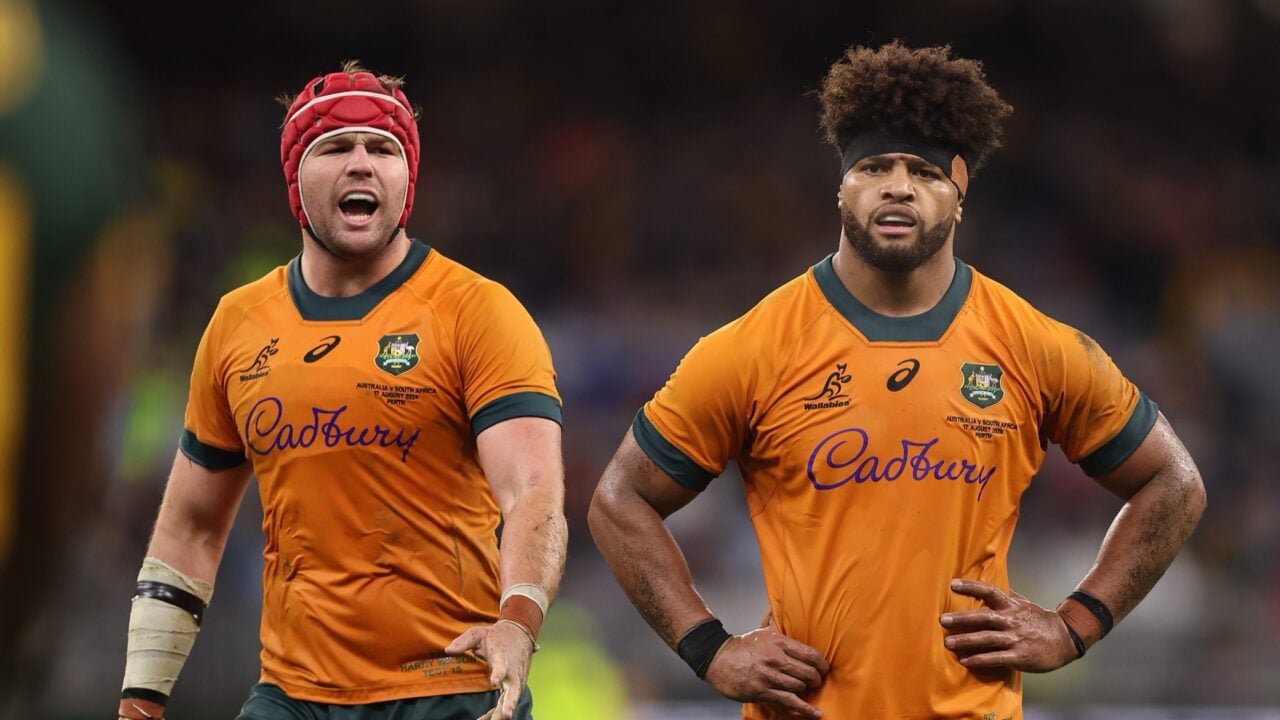
The Wallabies have let in 138 points in three Tests. Scotland are next. Can Les Kiss fix it in a week?
Australia have conceded 50, 43 and 45 points in their last three Tests, an average of 46 a game. Head coach Les Kiss has promised a review of the Wallabies defence before they meet Scotland at Murrayfield on Saturday 14 November 2026.
Is six days enough to change habits that Kiss himself says are older than this run?
“The last thing I want to do is catastrophise everything,” Kiss said after the England defeat, in comments reported by AAP. He admitted the results show “the gap of the teams above us and where we are”.
Three Tests, 138 points
| Date | Opponent | Venue | Result | Conceded |
|---|---|---|---|---|
| Sat 10 Oct 2026 | New Zealand | Eden Park, Auckland | Lost 50-19 | 50 |
| Sat 17 Oct 2026 | New Zealand | Accor Stadium, Sydney | Lost 43-21 | 43 |
| Sun 8 Nov 2026 | England | Allianz Stadium, Twickenham | Lost 45-22 | 45 |
| Total | 138 |
Source: WeTalkRugby match archive; BBC Sport.
Kiss says the habits are older than the losses
After the defeat to England on Sunday 8 November, Kiss told reporters the defence was not something his side would accept, the Sydney Morning Herald reported. He described the job as shifting long-standing habits towards a more pressure-based system, and admitted it was not yet coming together.
Asked whether a week was long enough to fix it, he answered his own question: it has to be.
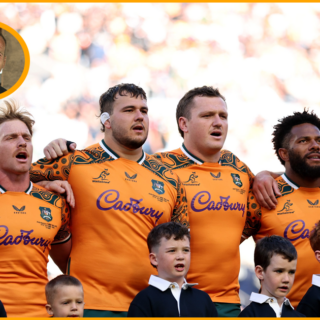
Harry Wilson, the Wallabies captain, wants a big response against Scotland and a far more physical defensive effort, according to the same report. Both men’s words reach us only through the Herald, so we have paraphrased them rather than quoting.
Where the Wallabies defence broke: the edges
The Herald counted 28 missed tackles at Twickenham. It also said Australia were short of numbers on the edges for several of England’s seven tries. That count is the paper’s own; we have not seen a second one.
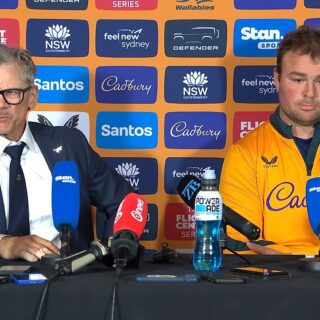
The clearest example came after half-time. Henry Pollock, the England back row, came on for the injured wing Immanuel Feyi-Waboso. He beat three defenders with his first touch, the Herald’s analysis noted. He scored twice before the end, BBC Sport’s report shows.
The Herald adds that no Wallabies team before this one had let in 40-plus across three successive Tests. We have not found a second source for that.
Why effort alone will not close the gap
Kiss said he could not fault his players’ effort. The tries suggest why effort is not the issue. When a defence runs out of bodies in the wide channels, the extra runner is free no matter how hard the inside men work.
So the fix is about shape and numbers: who folds round the corner, who reads the overlap, and how quickly. Whether Kiss and his defence coach, Scott McLeod, answer that with selection, alignment or both is the thing to watch.
The case against panic
Three heavy defeats are not the whole season. Australia beat the Springboks 42-38 in Perth, a game in which they were down to 11 men at one point. Even so, they gave up 38 points that day.
Kiss and McLeod also began with five games unbeaten. Against that, England had won only three of eight Tests in 2026 before Sunday, with head coach Steve Borthwick under pressure. This was not a side at its peak, which makes the 45 harder to explain away.
Kiss made the same case. “You change one or two things, and the game can flourish again – but we need to be more us,” he said.
Scotland bring the passer the edges fear
Scotland lost 43-21 to the All Blacks at Murrayfield on Saturday 7 November, but still scored 21. The Herald names fly-half Finn Russell and captain Sione Tuipulotu as the pair able to split Australia open. They managed it in Edinburgh in 2024.
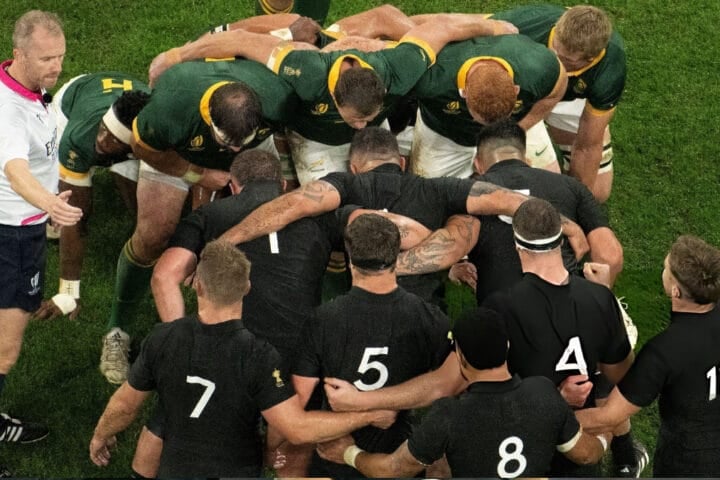
There is one opening for Australia. The All Blacks dominated Scotland at the scrum, and the Herald’s analysis says the Wallabies scrum held its own at Twickenham. The Wallabies also expect Carter Gordon and Tom Hooper to be available.
What happens next
Australia play Scotland at Murrayfield on Saturday 14 November; the Wallabies fixtures page has the details. The team sheet will show whether Kiss changes the people on the edges or asks the same players to change the shape.
If he changes the players but not the system, will Russell find the same overlap Pollock found?





Comments
No one has weighed in yet.
Be the first - what did you make of it?